Introduction
Ventilators have ended up being a vital element in healthcare, especially in essential treatment setups. With advances in medical technology and the rising frequency of respiratory system conditions, comprehending exactly how to run a ventilator is vital for medical care specialists. This post, "Understanding the Essentials: Your Overview to ventilation certification courses Basic Ventilator Courses," aims to provide a detailed guide on standard ventilator training programs, encompassing whatever from fundamental concepts to specialized training for specific client populations.
What Is a Basic Ventilator Course?
A basic ventilator course is developed to introduce healthcare providers to the principles of mechanical ventilation. These programs typically cover subjects such as:
- The physiology of respiration Types of ventilators Modes of ventilation Patient analysis and monitoring
Understanding these fundamentals is critical for any individual involved in person treatment, especially registered nurses and breathing therapists.
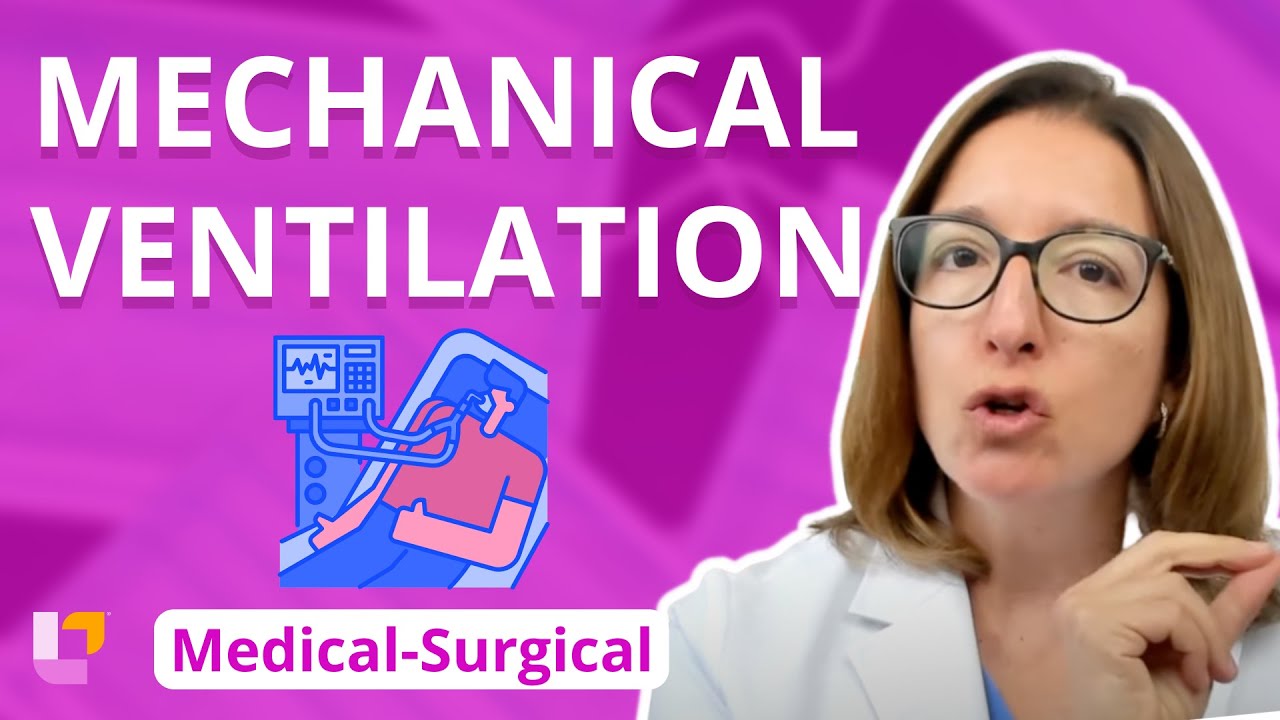
Why Are Ventilation Training Programs Important?
Ventilation training programs provide various advantages:

Components of Standard Ventilator Training
Physiology of Respiration
Before diving right into technical details, it's important to grasp the fundamentals of just how the breathing system functions.
Anatomy of the Respiratory System
The respiratory system comprises various frameworks that interact to facilitate breathing:
- Nasal cavity Pharynx Larynx Trachea Bronchi Lungs
Understanding these parts aids make clear exactly how ventilators assist or change natural breathing.
Types of Mechanical Ventilators
There are numerous sorts of mechanical ventilators available:
Volume-Controlled Ventilators: Provide a set quantity with each breath. Pressure-Controlled Ventilators: Restriction stress during inspiration. Bi-level Favorable Respiratory tract Pressure (BiPAP): Utilized for people requiring different stress for breathing and exhalation.Each kind serves unique objectives relying on patient needs.
Modes of Mechanical Ventilation
Invasive vs. Non-Invasive Modes
Mechanical ventilation can be ndis ventilation training course classified into intrusive and non-invasive settings:
1. Invasive Modes:
- Require intubation. Offer a lot more control over air flow parameters.
2. Non-Invasive Modes:
- Utilize masks or nasal prongs. Less intrusive but may not be suitable for all patients.
Common Modes Explained
Some usual modes include:
Assist-Control (AC): Gives aid with every breath. Synchronized Intermittent Required Air flow (SIMV): Permits spontaneous breaths in between compulsory ones. Continuous Positive Respiratory tract Stress (CPAP): Maintains respiratory tract pressure without helping with every breath.
Understanding these settings permits experts to choose the correct technique based upon private person needs.
Ventilator Training for Registered nurses: A Specialized Approach
Nurses play a critical function in handling mechanically ventilated individuals, making specialized training crucial.
Key Abilities Covered in Nurse Training Programs
Nurse-focused ventilator training usually consists of:

- Patient evaluation and surveillance strategies Identification of complications Adjusting ventilator setups based upon medical judgment
Training equips nurses with necessary skills for efficient air passage and ventilation monitoring while guaranteeing ideal individual outcomes.
Tracheostomy and Ventilator Training: Specialized Focus
Patients calling for long-lasting ventilation might need a tracheostomy, bring about special challenges.
Understanding Tracheostomy Care
Care considerations include:
- Maintaining tube patency Regular cleansing procedures Monitoring for indicators of infection
Proper training in tracheostomy care enhances safety and security and effectiveness when handling ventilated patients.
Airway Monitoring and Ventilation Techniques
Effective respiratory tract monitoring is foundational for effective ventilation strategies.
Key Elements of Airway Management
Essential components consist of:
Patient placing Use of accessory tools (e.g., oropharyngeal air passages) Continuous surveillanceThese elements make certain that air flow stays unblocked throughout treatment.
NDIS Ventilation Training Training course: Tailored Education for Specific Needs
For those working under the National Impairment Insurance Plan (NDIS), specialized training caters to unique demands connected with special needs support.
What Does NDIS Ventilation Training Cover?
This program frequently concentrates on sensible abilities like:
- Customized treatment strategies Emergency action procedures Individualized ventilatory approaches
Such customized education and learning prepares individuals to give efficient support within a disability context.
How Do I Select the Right Course?
When picking a basic ventilator course, think about elements such as training course content, instructor qualifications, and useful elements provided as part of the educational program.
Factors To Consider
|Variable|Significance|| ------------------------------|------------------------------------------|| Course Material|Should cover both theoretical & & useful abilities|| Trainer Credentials|Search for knowledgeable specialists|| Practical Elements|Hands-on experience is critical|
Choosing wisely can considerably impact your knowing experience!
Frequently Asked Concerns (Frequently asked questions)
1. What Is Mechanical Ventilation?
Mechanical ventilation refers to making use of equipments-- ventilators-- to aid or replace spontaneous breathing in clients who can not breathe appropriately on their own due to different reasons such as injury, surgery, or respiratory disease.
2. Who Should Take a Fundamental Ventilator Course?
Healthcare professionals associated with direct individual treatment-- specifically nurses, breathing specialists, and emergency responders-- should take into consideration taking a fundamental ventilator training course to enhance their abilities in respiratory tract management and air flow assistance techniques.
3. The length of time Does It Take To Complete a Basic Ventilator Course?
The period differs commonly relying on the program framework yet commonly ranges from one day approximately numerous weeks if it includes thorough hands-on practice sessions together with academic studies.
4. What Are Some Usual Difficulties Associated with Mechanical Ventilation?
Complications can include barotrauma, pneumothorax, infections such as pneumonia related to intubation, and difficulties connected with prolonged sedation or immobilization from extended use of mechanical ventilation equipment.
5. Is Online Training Available For Fundamental Ventilator Courses?
Yes! Many institutions currently supply on-line training courses that combine video talks with digital simulations so learners can realize fundamental principles at their own speed while still receiving high quality instruction from seasoned teachers remotely!
6. How Do I Keep Current With Breakthroughs In Mechanical Ventilation Technology?
Engaging regularly with expert organizations devoted to respiratory treatment-- such as participating in workshops/conferences-- and subscribing journals concentrated on important care medicine will aid you stay abreast brand-new growths within this ever-evolving field!
Conclusion
Mastering mechanical ventilation calls for dedication and education and learning however is vital for enhancing patient outcomes within healthcare settings today! As laid out throughout this overview--"Understanding the Basics: Your Guide To Fundamental Ventilator Courses"-- the value can not be overstated; complete knowledge gotten with relevant training courses equips professionals across self-controls! Whether you're looking into broader ventilation training courses or specialized techniques like NDIS alternatives-- the chance exists available waiting simply around every edge! Dive deeper into this vital aspect today-- for both personal development AND improved clinical practice overall!